I got mine to learn on, much like the co2… Had it 10 months, so don’t know how much I really know about them…
Fiber machines are pulse type lasers, unlike a co2. I use pules/mm to help make adjustment decisions.
Maximum speed is really dependent on the galvo head. Mine is rated at a maximum of 4m/s. Had to ask Cloud Ray what glavo they used.
You gave three models, the first and last appear to be the same thing… at least I seem to get the same results via a search.
There are comparable models from Cloud Ray and other manufacturers.
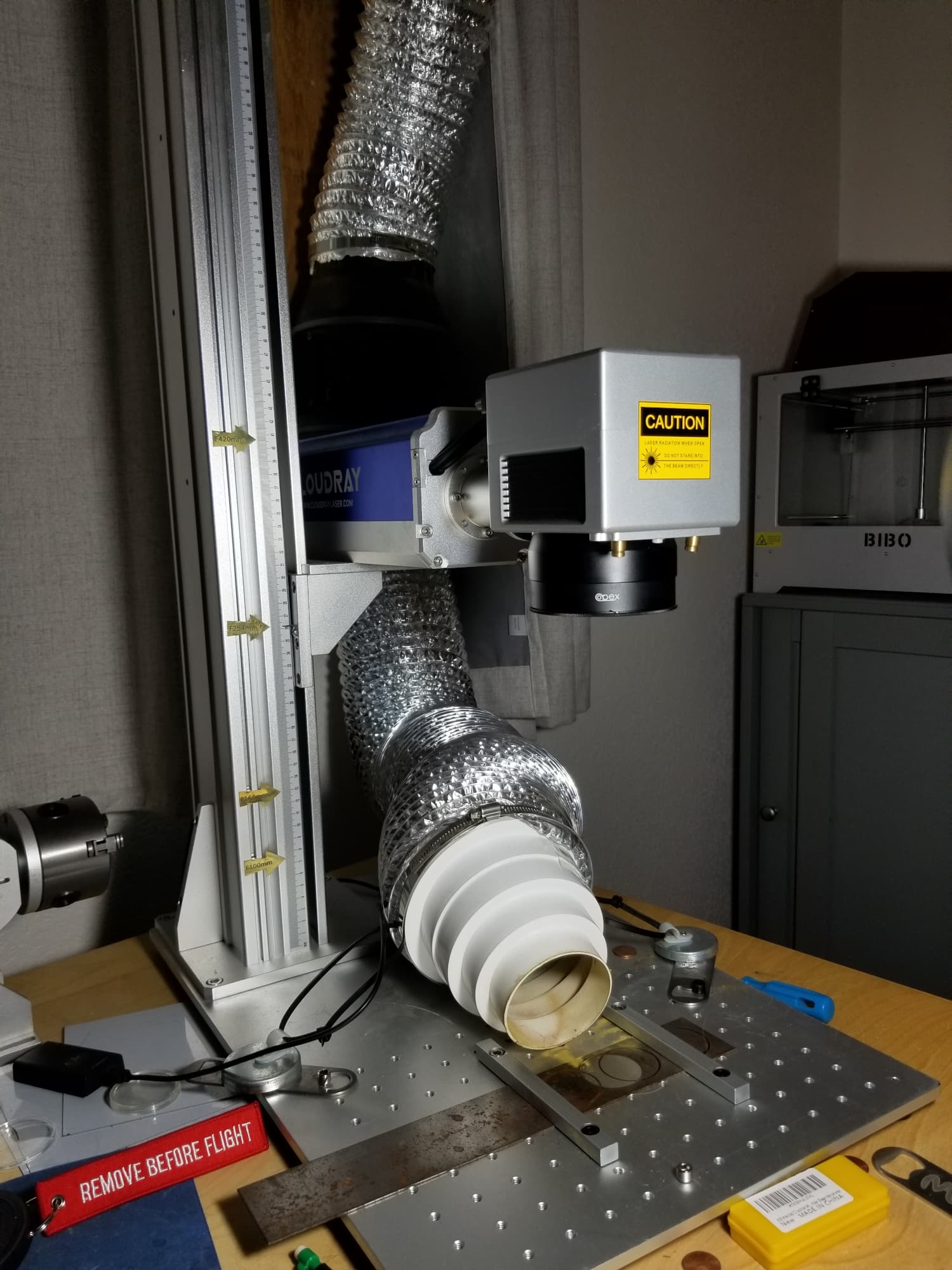
Coverage is dependent on the lens, F type lenses are actually flat focus lens, so a longer lens will be a larger area. Keep in mind the the longer lens requires a longer (taller) column to be able to focus… The top arrow is for an F420mm lens, the bottom is an F100mm lens… These are relative to the table. If you want to put a rotary or anything of any depth, you need the extra column length.
If you want to have a 300mm square area, you’ll need something like an F420 lens. If you want this coverage, I’d order a machine with this coverage to ensure the supplied column is tall enough. Mine came with a 800mm column on the machine.
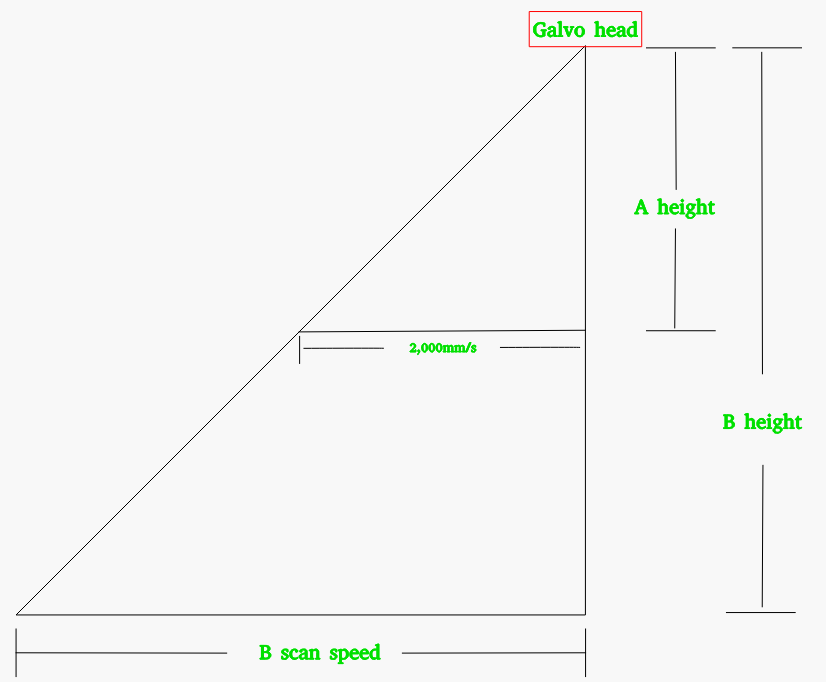
The lens has to be known, as the mm/s speed is relative to the distance from the lens to the material… Don’t know if Lightburn does this or if it’s the controllers problem.
In either A or B height the galvo moves the same, but the resultant surface speed is different.
MOPA types allow an extended range in frequency and also allow the setting of the q-pulse duration. Equals more control for the user. The cost is usually around 10% more for a mopa type, I’d suggest a mopa type. These have the largest adjustment range. These are the best if you want the most control to anneal/oxidize for the appearance of color. All types can do this color to some extent, mopa has the most control for this… Q-pulse rate also allows you to put lots of power into each pulse.
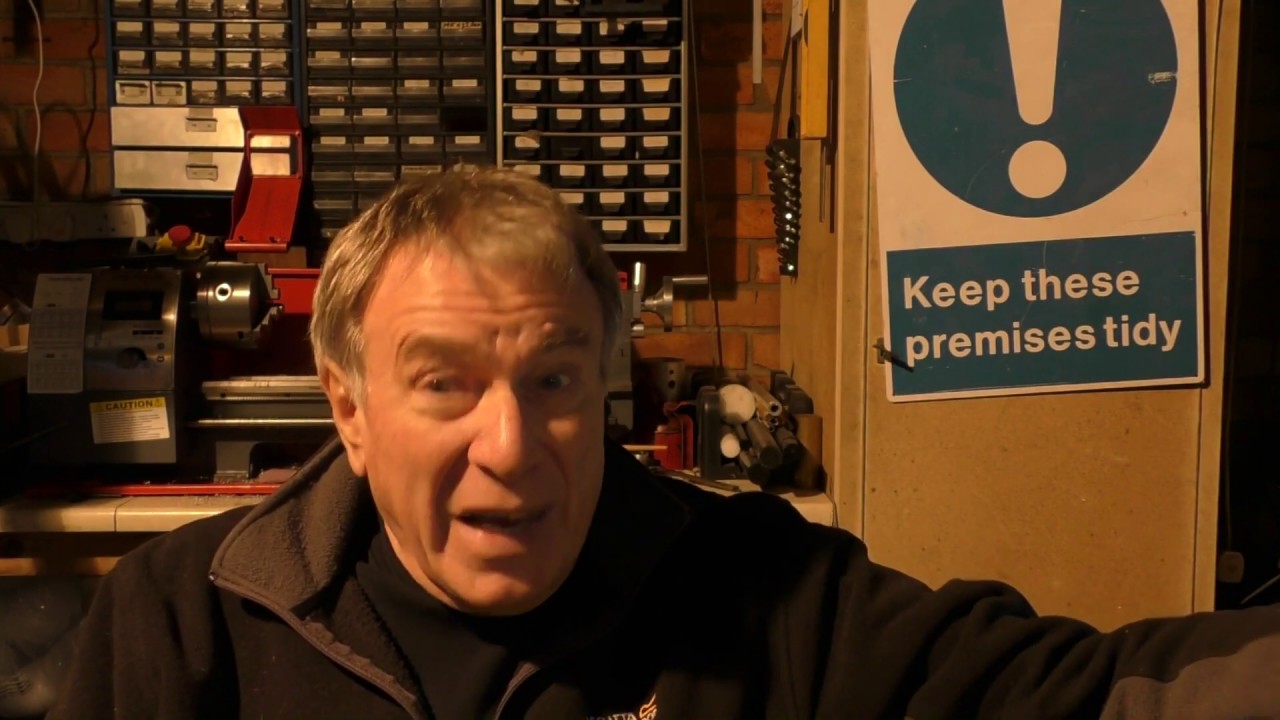
This is a video by Russ Sadler … first half is how a co2 tube works and what causes it break down from over current. Starting about 30 minutes in he transitions to how a fiber laser works… The whole video is great, but you can probably gain some more understanding from the fiber part of the video.
I’m sure I’ve missed things, but I’ll wait until you digest this and let me know if you have questions.
Good luck


 I can never find one when I need one, even though I just set it down a second ago.