Also… Acrylic aint acrylic.
There’s a ton of different types.
Most cheaper stuff is extruded PMMA (polymethyl methacrylate ). It’s the Volkswagen of the signage / display world. Scratches easily, but cuts easily too. Lightweight, strong, easy to glue, doesn’t get a polished edge as easily. The next is MMA (methyl methacrylate monomer) - the good stuff. If your supplier can’t tell you what the polymer its made from is, move on.
Cast sheet is usually MMA, is optically clear, strong but not as strong as extruded, not uniformly thick - it can be out a mm or so across the sheet, so you need more power than for extruded, works well for everything from display cases to windows.
Continuous cast is MMA, uniformly thick, has the best optical clarity, is very strong and withstands scratching. It’s an extrusion-type process, which gives the uniform thickness. It’s ‘The Best’ - IMO, but you pay for what you get. ~30%-50%-100%-200% more expensive than extruded PMMA of similar spec. Engraves the best of all sheets, cuts consistently, get that flame-polished edge.
Sign grade is another MMA continuous extruded sheet, made of some secret squirrel formula. It doesn’t break down under UV, is stable outside in weather and sun for 10 years or so, the dyes don’t fade and it cuts brilliantly. It’s about 10x as strong as extruded PMMA sheet. It’s not great at engraving, though (tough surface, de-stressed), but you get the best polished edge of any product and the best scratch resistance. Depending where you buy it, the price can be wildly different. I’m a sign guy, so buy it from signage wholesalers - the same place I buy my wide-format rolls, vinyl, etc. and it’s about the same as basic cast. I would find a sign wholesaler or large signage company and get it from them.
There’s a bunch of other types, speciality sheets for particular needs - temperature stable, marine, impact, but probably outside your need. Marine is good if you are making something for outside that is in an adverse climate - made for boat and caravan windows, it’s face-hardened and de-stressed. If you’ve ever seen an old boat screen with the millions of tiny fractures, that’s because they didn’t use marine grade. Not particularly expensive, and you can get it in clear and smoked and that’s about it.
Then there’s brands… Chinese no-name is ok for general use. 3M and Plaskolite are the gold standard. Astariglas is at the better end of the sign acrylic range. Mostly those three are MMA, but who knows - it’s all secret herbs and recipe at that end of the market.
For my money, and not living in the US, Astariglas is what I use for anything arty or that needs a quality finish.
If you’re going to do a lot of acrylic work, it’s worth investing in an oxygen/hydrogen edge polisher - they aren’t expensive - and investing the time to learn to use one properly. you can sand using wet and dry paper, wet. Start at 240grit and work up. We pay $200-300 in NZ for one, so I imagine in the US they are $100-200. They ‘crack’ water for the hydrogen and oxygen and then burn it as fuel. I’ve used this one, it’s a good basic unit for a small shop: https://www.amazon.com/Portable-Hydrogen-Generator-Polishing-Polisher/dp/B01DNAU33W
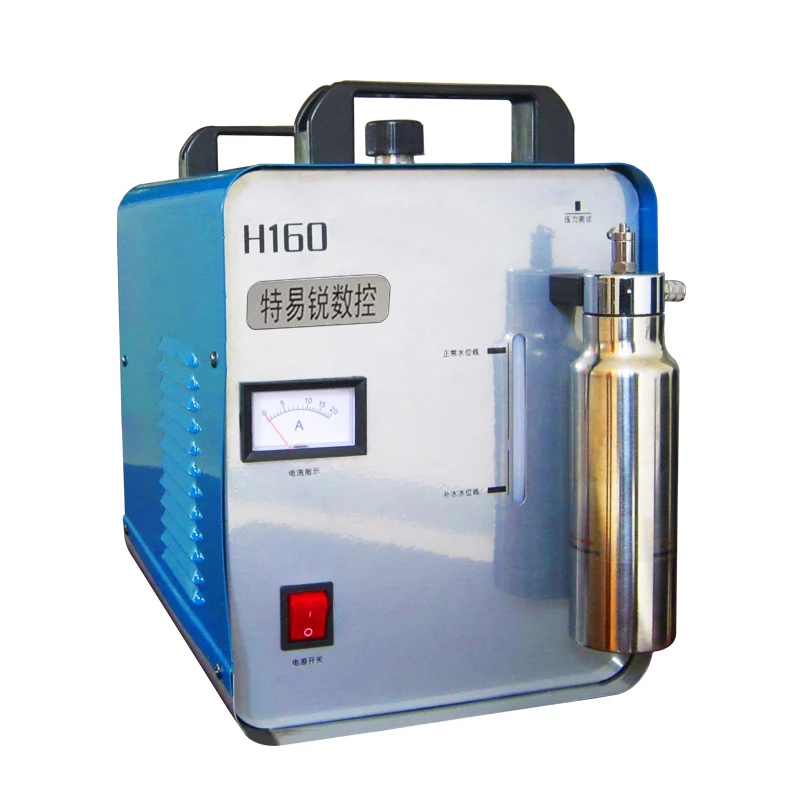
The advantage to a flame polisher is that you can edge, relieve stress in the sheet and remove scratches in the face, as well as weld the sheets, without glue (although that’s a skill I’ve never acquired).
Often the polisher is sold as just the unit, you will need a couple of different handsets, depending - a fan jet for stress relief, scratch removal, edge polishing, and a point jet for welding. They are basically oxy welding tips/handsets, but lighter.
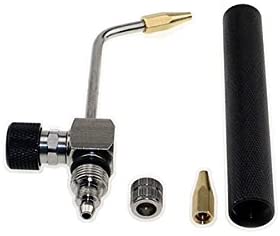
The Amazon one does come with a basic handset, but just check when shopping around.