Is this plywood unsuitable for laser?

I know these problems of other plywood sheets. The reason for those areas, where the laser does not cut through can’t be the middle layer, since there are areas where it cuts through. And since this is synthetic, it is very constant in quality. The problem stems from mother nature: the 2 outer layers are naturally grown wood, which is not constant in density.

The only way to solve this problem is to raise the intensity or slow down the cutting speed or cut one or two more times. To find out how much you need to raise the heat, I’d make a a cut through the imperfect area and look how far the laser came into the wood. If it cuts for example only half through then raise the intensity twice to be sure, if the cut goes through by 75% raise the intensity about one third.

For my personal use I developed a simple formula: energy = n / v * f where n = number times repeated, v = speed of the laser, f = force or power in %. This way you get a comparable number (energy) for different materials and purposes.
1 Like

jilalfAlfred …. I’m sorry to disagree …. but it has been long established if there is a void ( air pocket) in the middle layer …. the laser will not cut through it …. it needs constant density to make a constant cut through.

Brian

So… If what you are saying is true, then if I peel off 2 layers of a 3-layer ply, with the focus at the equivalent height of all 3 layers, then it will not cut thru the third layer because of the air? But if I do have the two plys there and no air gap, it will cut thru all 3 layers?

1 Like

It is possible that you experience it this way. But my experience with plywood tells me otherwise.

Take for example 5-layer plywood, where the outside is always tried to be kept clean of knots and other organic discolorations, so here there is only an inner layer in the middle left, which often has larger holes and cracks that are then filled with glue instead. Even though it is interior glue (hopefully) it does not react like wood to the laser beam.

All material in birch plywood is naturally grown wood, (we are not talking about Asian pressed waste wood residues, typically used for packaging)

If you buy B or BB classified interior glued Baltic Birch, it is extremely rare that you will have problems with that material. The standard for B and BB prescribes precisely what can and cannot be in that material. No holes filled with glue, no knots - no problems.

Power also does not really help with poor quality. For lamp production I typically use 3-layer 0.4 and 0.8mm B Baltic birch. You can see through the layers, that’s why I use it. If there is a glue pocket or knot, the area when cutting is black and charred and does not burn cleanly through - useless for my purpose.

Another example, I once bought very fine 2mm plywood, very fine surface, I can’t bear to throw it away, but as I found out, exterior pre-glued. In order to cut through I use laser parameters that correspond to 5-6 mm MDF or acrylic, and the result is still not usable for my purpose.

On the other hand, I work with 7-layer 5mm and 10-layer 6mm plywood - without problems, but it is B interior (the best quality) and the most expensive natural wood product you can buy.

Finally, my laser focus is up to 6mm always on the surface, I try to drive as fast as possible with as little power as possible.

3 Likes

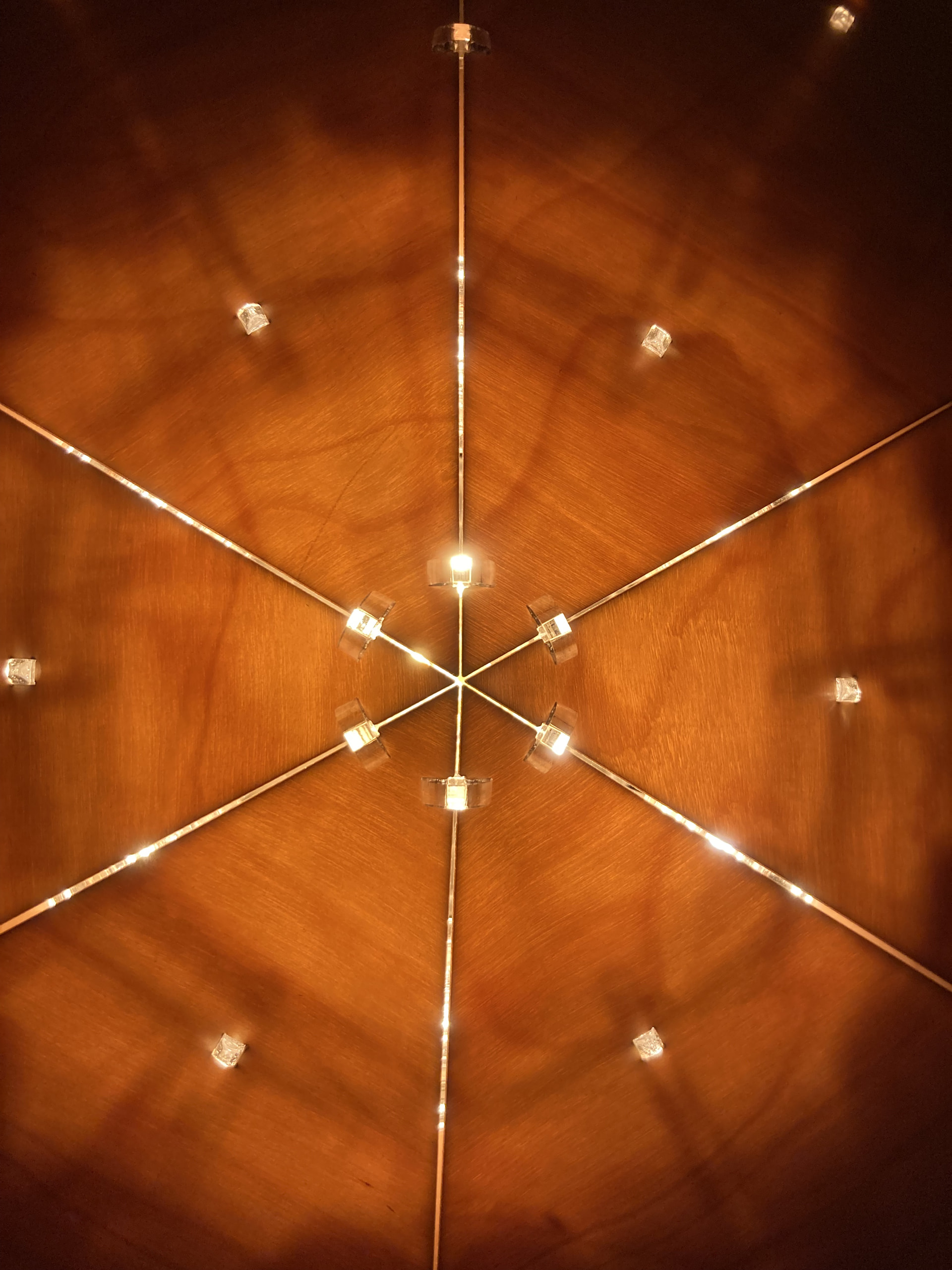
Get a very bright LED flashlight and shine through the ply from behind. While the faces may look good, the inner ply may have knots which are very dense and hard to cut. The light will reveal shadows of the knots in the interior layer.

2 Likes

Milezee

They are called Strahan’s and they’re in Dublin, they will cut down and also plane to requirements. Neyoks who are a large chain of paneling etc etc suppliers have some interesting offerings and are relatively closer to me but no prices online or cutting available on site, didn’t like the way the panels I was interested in were stored on the occasion I called by..so would not buy without being there.to hand pick.

I was very new to lasering and these materials previously but reading what Bernd and others have to say has clued me in somewhat…saying that, for the purpose of test runs etc the cheap stuff can serve a purpose.

1 Like

Thanks for the reply and info :folded_hands:t3:

1 Like

Just following up here with my own two cents. I cut almost exclusively plywood with my diode. I most cut 5mm underlayment - the cheapest possible thing from the big box stores - less than $20/sheet (4’x8’). Most of the time what I’m building is structural (don’t care about how it looks - templates, working boxes, etc), or is finished with wood dye (generally hides defects). Sometimes I cut 12mm plywood to use and I count on having to clean up edges.

Plywood does not cut cleanly - some spots take a lot more cutting than others - but those spots tend to be rare. I cut on a spike bed holding the wood on pace firmly with magnets. After my cut is done I use a finger or dental pick to check cut completeness. If needed, I alter my output to recut just the specific areas that need more. This works pretty well. Occasionally I’ve had cuts (3-4 passes) that I’ve had to do an additional 10+ passes to cut through (I probably gave up or messed up before it cut through) those areas are rare, and tend to be the string like plastic in the filler layers.

I’d guess 85%+ cuts cleanly-ish on the first cut. an additional 10% cuts successfully with tactical repeat cuts and / or xacto cuts. 5% cuts poorly - depending on my use maybe garbage, maybe fine (like for a single use router template.

2 Likes

I have generally had good luck with underlayment. But it has become wildly variable each time I go to buy some.

1 Like

So it might help to use a stronger air assist. I can imagine that some obstacles like glue nests or knots produce a sticky charcoal like debris which the laser cannot burn as it is already burnt.

So if you blow it away this might help a lot. Just guessing, but with a lot of hints in that direction.

Air pressure blowing means more air pressure or/and a nozzle closer to the gap.

1 Like