Hi,
just stumbled across this video:
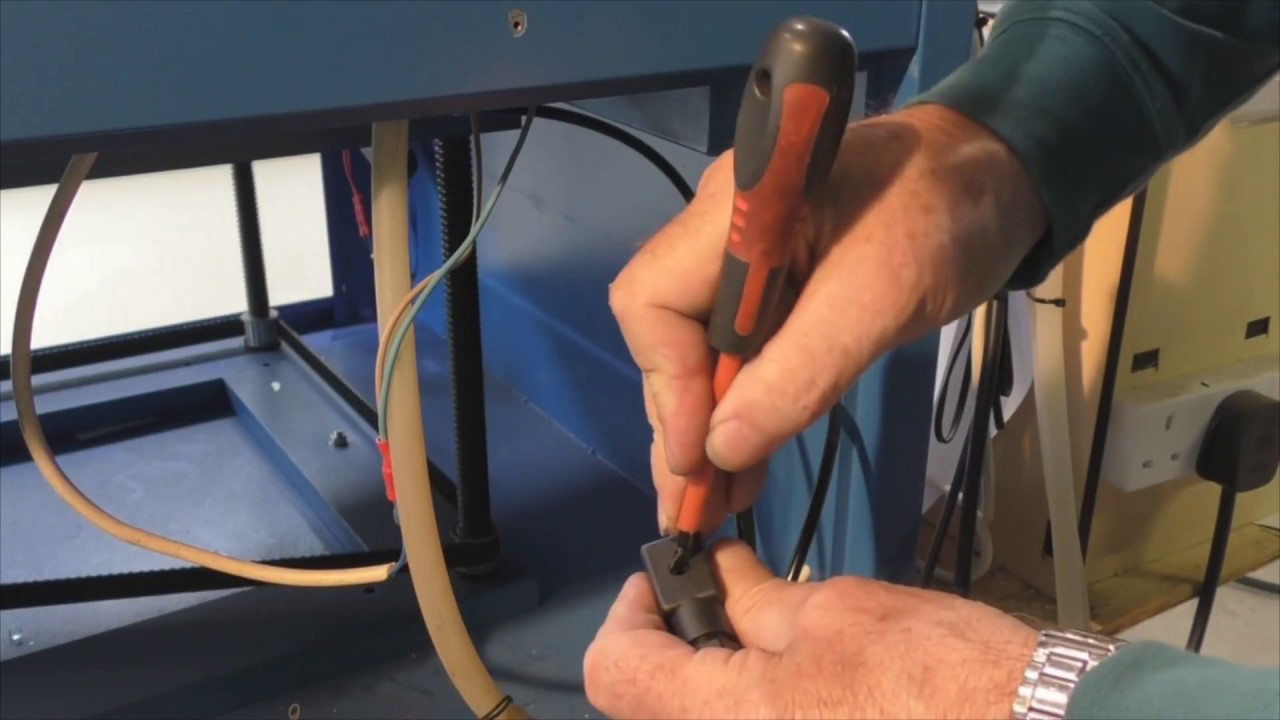
He suspects that he has damaged his lens by engraving on a refletive stainless steel.
Is that possible/common/accident…should I hold spares in stock?
Cheers,
Dirk
Hi,
just stumbled across this video:
He suspects that he has damaged his lens by engraving on a refletive stainless steel.
Is that possible/common/accident…should I hold spares in stock?
Cheers,
Dirk
That’s very common. In my Facebook groups, I have at least one post per week of users that damaged their lens with reflective materials. In quite a few cases, not only the lens but also the diodes are broken afterward. That’s also why newer lasers have a sticker on them, “avoid lasering reflective materials”, I guess that’s because they got too many complaints..
Or… Tilt the material slightly with something under one corner or edge. I engraved some mirror finish SS 30mm coins safely by putting a small piece of Painters’ Tape on one side of the fixture. It was just enough tilt to prevent reflecting back up into the laser.
Would it help to cover the surface with adhesive foil or paper?
But why does that happen in the first place…the incoming beam on that last mirror is not focused and does no damage, so the reflected beam should be spread wide backwards when it reaches the mirror?
So is that only with engraving or also with cutting? I suppose only the first?
Same laser beam, same focus point, same problem.
Probably worse with cutting, due to the higher power & slower motion, with more exposure to the reflective substrate.
Metallic surfaces make great specular reflectors for CO₂ lasers, so that’s a bad idea.
No CO2 machine here, but I am pretty sure the issue here is with the focusing lens, not any of the mirrors. Whether diode or CO2, interferrence patterns between the going and returning beam can crack the lens.
Uhm, I’m also thinking about reflective films like mirror film or effect films…so this would be as bad, too, I guess?
Probably not, because those are typically a very thin aluminum(-ish) deposit on plastic and covered with at least a thin layer of plastic, so both sides absorb IR like crazy. AFAICT, the plastic absorbs all the energy and the aluminum vaporizes along with it.
Which is why you can cut an acrylic mirror from the reflective side: the plastic is opaque to IR, so the beam doesn’t reach the aluminized layer until the acrylic vapor blows through the kerf and wipes it away.
What’s not good is a metal sheet where the beam must vaporize the bulk material, but the surface reflects a substantial fraction of the incoming energy directly back at the lens. A pure specular reflection should be (at least weakly) divergent, based on the incoming beam focus angle, but AFAICT there’s enough energy reflected straight up to cause problems.
Again, modulo a bunch of factors not under anybody’s control, so everybody has a different experience until all the factors line up at once.