The pulse size has increased to 8 mm on a 100 watt bulb. Is the tube going bad?
Perhaps, but the result depends on how you measure the beam and what size it was before this happened.
This discussion describes how to measure the beam’s shape and what that means:
Some photos of the targets will help us look over your shoulder and see what you see.
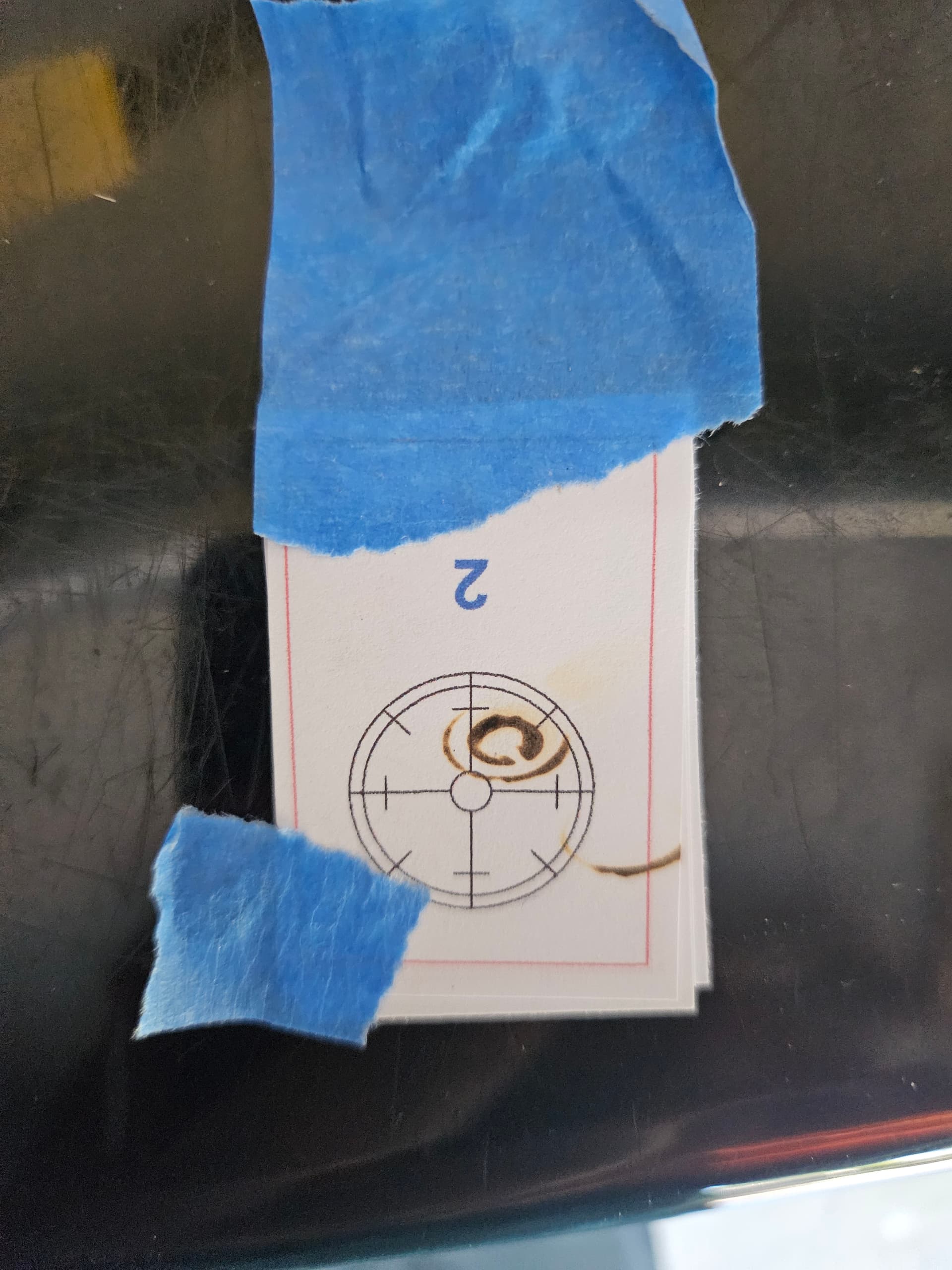
No doubt about it: that tube is defunct.
1 Like
Thank you very much. Can i use a 150 watt power supply on a 100 watt bulb that peaks at 120
Yes, provided you tune the tube properly to not overcurrent it
The 150 W supply will apply a higher firing voltage to the tube than it should and, as @Colin points out, will require adjustment to prevent applying too much current.
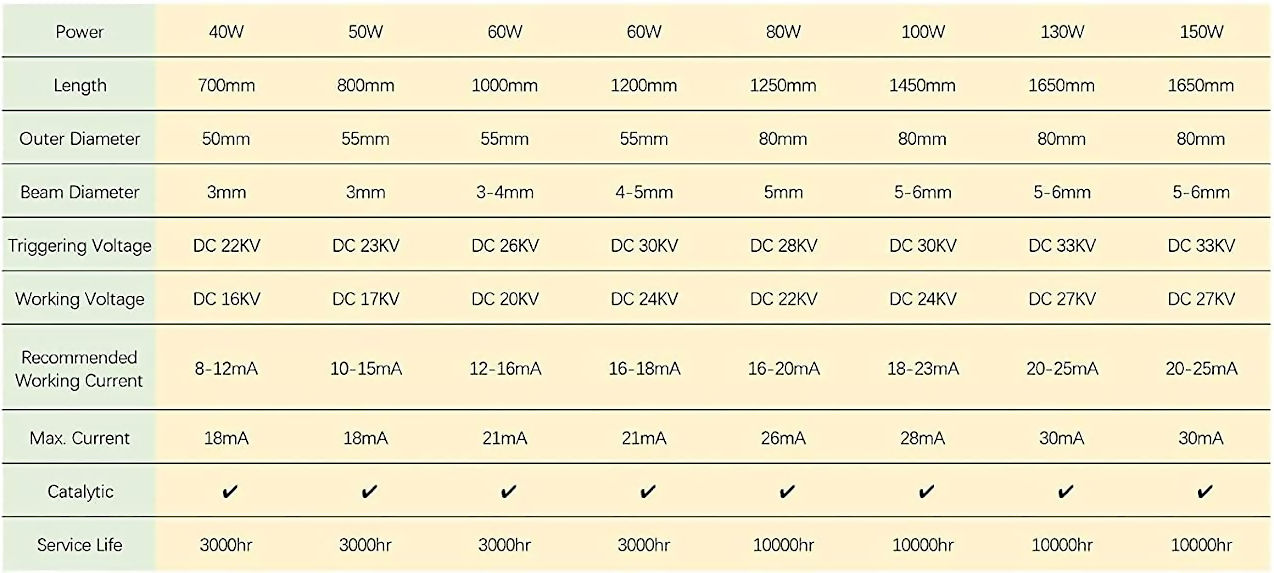
Although your power supply and tube will surely be different, this table (from an Amazon listing) gives some idea of the voltages and currents involved:
as long as i keep under the max amps it should work correct
You will also want to match the voltage settings to your tube. Best to compare what your LPS is capable of (find the model number) and what the tube requires (from the spec sheet)
New 100 watt power suply, new reci 90 watt bulb, new redi controlar, this is my pulse what is wrong?
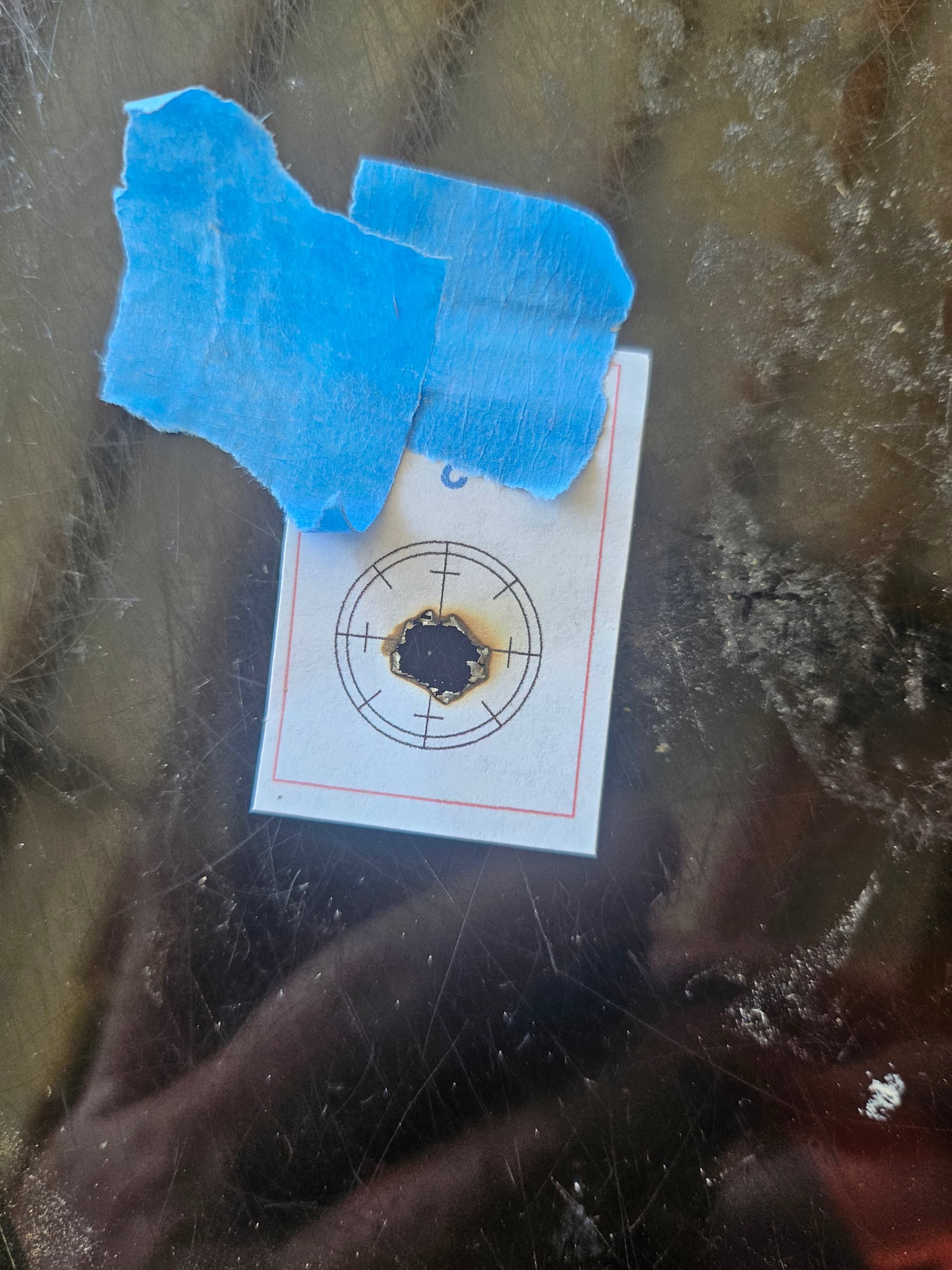
Far too much power on the paper!
Set the duration and power of the manual pulses in the controller. The details depend on which controller it has, but this is the process on my machine:
After you throttle the beam power down to leave just a scorch on the paper, it should look like a nice round disk with a darker center and lighter perimeter. Show us what it does …
Since a higher trigger voltage is required for a smaller tube, the current is still limited from the controller.
I would expect the response time to drop for a high power lps when driving a lower power tube.

Definitely true, although I’d expect a higher-rated power supply to arrive with a higher current setting, so higher PWM settings would overcook a lower-rated tube.
The supply in my 60 W laser tops out at 24 mA, higher than the 21 mA scrawled on the tube that happens to match the 60 W tube entry in that table.
Based on that scanty evidence, a 150 W supply would apply 30 mA to a 100 W tube rated at 28 mA. Not the end of the world, but twiddling the trimpot to reduce the maximum current would be a good idea.
Whether that current limit would hold while applying 3 kV higher trigger and working voltages to the tube remains unknown … 
Don’t think this is how it works. The tube is just a resistor that turns on at the trigger voltage. It’s also being fed by a current limiting power supply.
Unless you set lps for maximum current output and the controller to 100% it’s possible, however unlikely that all this would occur from even a factory setup.
You should be able to limit the current produced by the lps via adjusting it’s current pot.
I haven’t fiddled with that trimpot, mostly because it’d trash all my Material Library power levels, but those numbers come directly from my machine.
Bonus weirdness: the turn-on current (at 5 mA/div) for a 25% PWM pulse shows the tube definitely isn’t “just a resistor” while the power supply grapples for control:
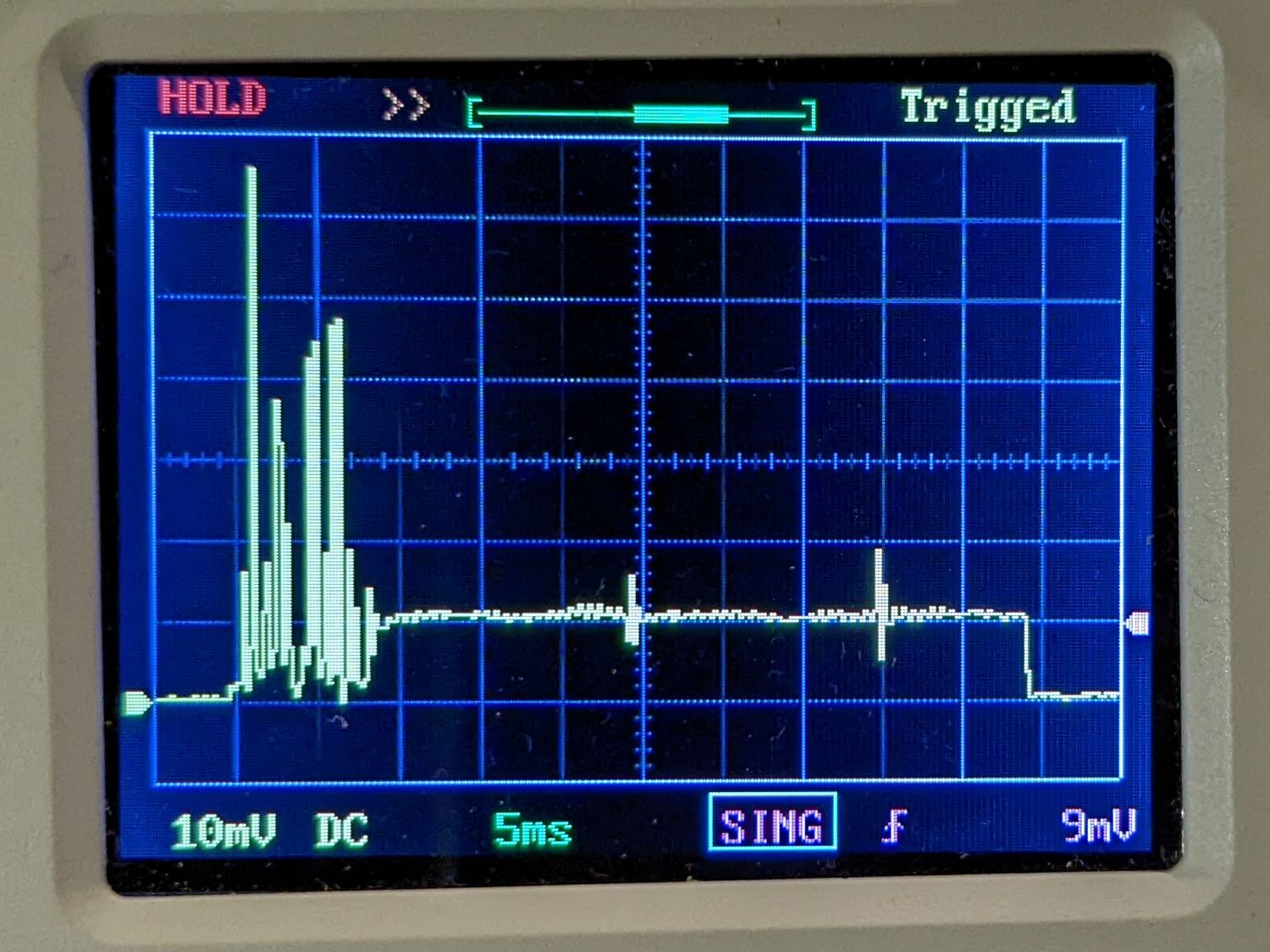
That’s a little DSO-150 scope with a Tek Hall-effect probe clamped around the tube’s cathode lead.
The current eventually stabilizes at about the right level, but it ain’t pretty before then. 