OMTECH builds a good fiber laser. The laser source within the machine is very important. There are more than 30 different brands for the power laser source.
I will share the two that you will see most often. Basically Made in China or Singapore. Raycus or JPT.
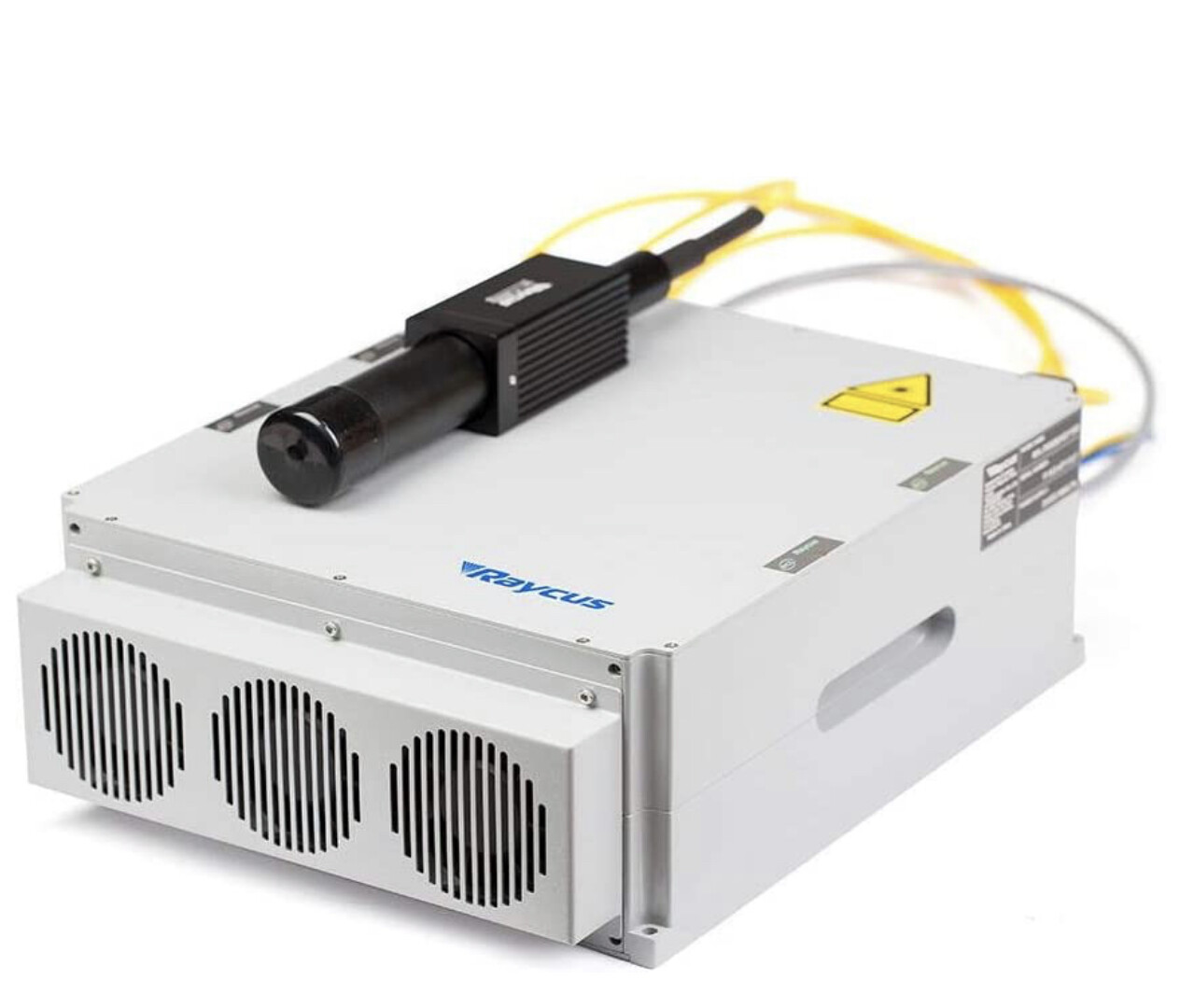
Raycus
This brand is cheap, and this is the main reason most of the companies use it, is not famous for a quality engraving and also have less warranty than other fiber power sources. This brand also has a small range frequency between 20 to 80 kHz, which makes it have a short range of engraving materials. In comparison with other brands, Raycus doesn’t offer too much advantage to the customer, but it can be very cheap, and as a result, machines build with this power source are low cost.
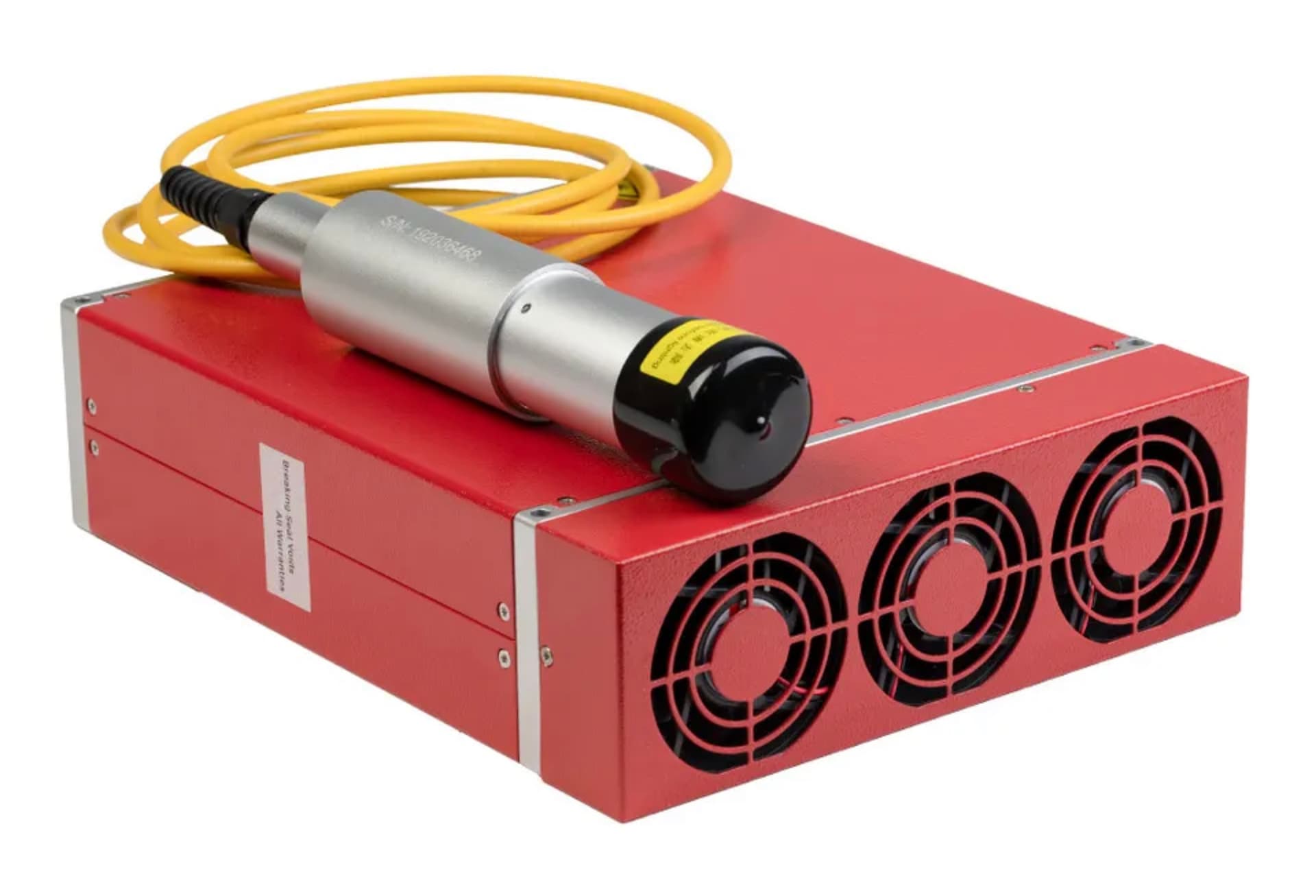
JPT
This Singaporean brand has a different laser power source, not as limited as a result of its Pulse Repetition Rate Range of 1 to 4000 kHz This brand is famous because it provides excellent quality, excellent engraving, stability at the time of work with their premium models, as JPT-X or MOPA.
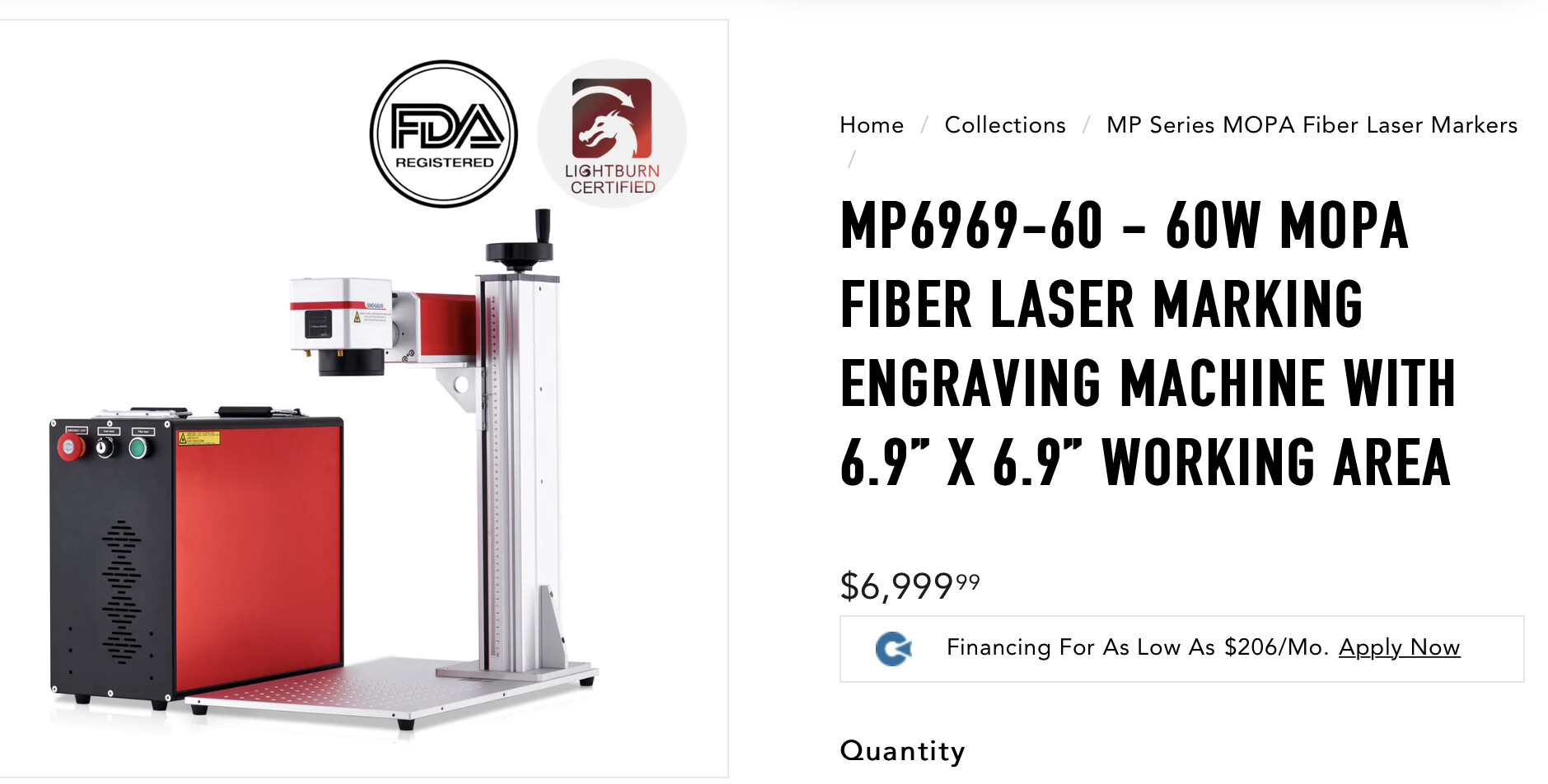
OMTECH JPT MOPA M7 fiber laser is a solid well built machine. You will need to decide on the wattage and if you want MOPA or not. Wattage variables are from 20- 100 watt. The laser power is the amount of energy that can be produced by the laser over one second. It is also known as “average power” and “output power”.
Pulsed lasers may also indicate a peak power, which is a different parameter. The peak power is the maximum amount of energy reached by a single pulse. For example, a 100W pulsed fiber laser can easily reach 10,000W of peak power. This is because pulsed lasers do not distribute energy evenly over time as opposed to continuous-wave lasers.
The term MOPA is an abbreviation for Master Oscillator Power Amplifier . The master oscillator produces the beam while the optical amplifier is used for boosting the output power.
The light of marking lasers is generated in pulses. Generally, the pulse duration is non-adjustable. What is special about a MOPA laser is that its pulse duration is variable: Long or short pulses can be adjusted in steps between 2 and 500 ns.
Additionally, the laser parameters pulse duration, pulse frequency and pulse energy can be adjusted nearly independently of one another what results in high flexibility.
Furthermore, there is a difference regarding the pulse frequency itself: While the range of the pulse frequency of a so-called standard laser lies between 2 and 200 kHz, it lies between 1.6 kHz and 1 MHz for a MOPA laser.
MOPA laser offers more flexibility regarding the adjustment of laser parameters. Thus, the MOPA laser is extremely versatile and can be adapted to the material very accurately if needed.
MOPA lasers are optimally suited for marking naturally and colored anodized aluminum to create black markings without damaging the surface. They are also used for high-contrast marking of various other [metals ](e.g. nickel alloys, steels, titanium). For example, a MOPA laser creates a wide range of reproducible annealing colors on stainless steel.
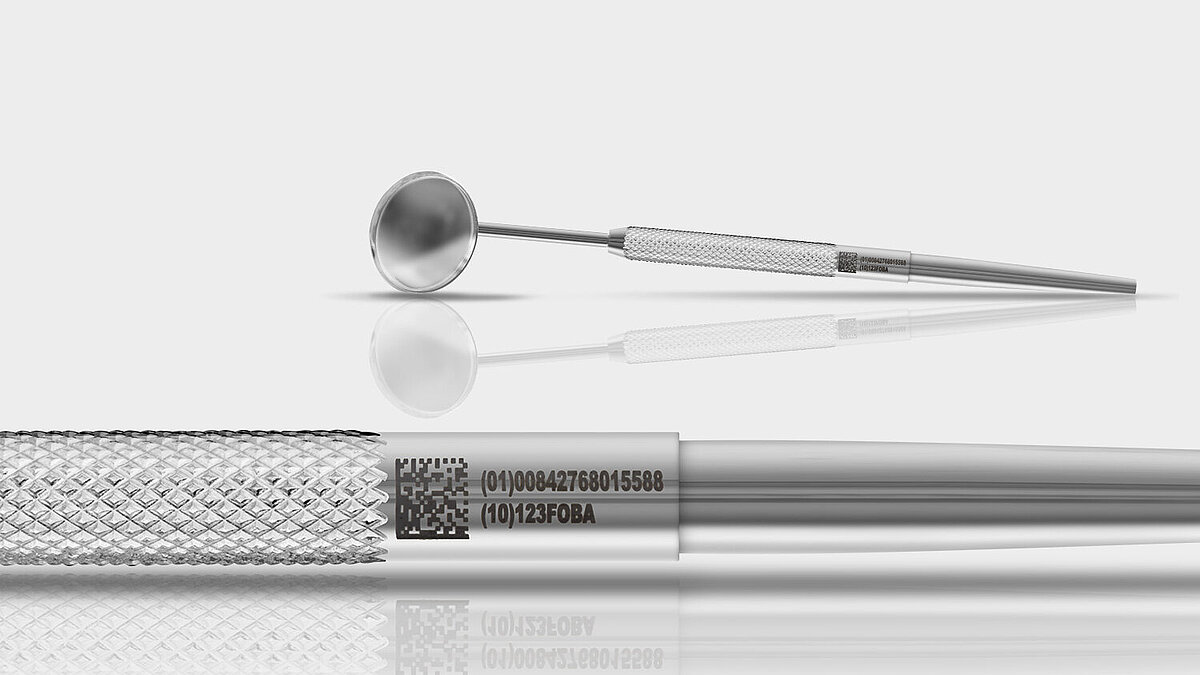
Furthermore, MOPA lasers provide advantages regarding the durability of the mark after reprocessing: With the possibility of flexibly adjusting the laser parameters, high-quality markings that are resistant against multiple passivation and sterilization cycles can be achieved. That is why the MOPA laser is often used for marking medical products
You can also achieve better results with the MOPA laser for some plastics than with a “standard” fiber laser, for example regarding the contrast on black polyamide, black PBT (polybutylene terephthalate) or polypropylene.
Due to the possibility of adjusting the pulse duration, MOPA lasers are optimally suited for high-quality laser ablation or paint removal e.g. for day/night markings in the automotive industries.
I suggest buying the most powerful you can afford . It will save you on time to complete your projects especially if you want production.
Cheers in your decision making. 
Sas