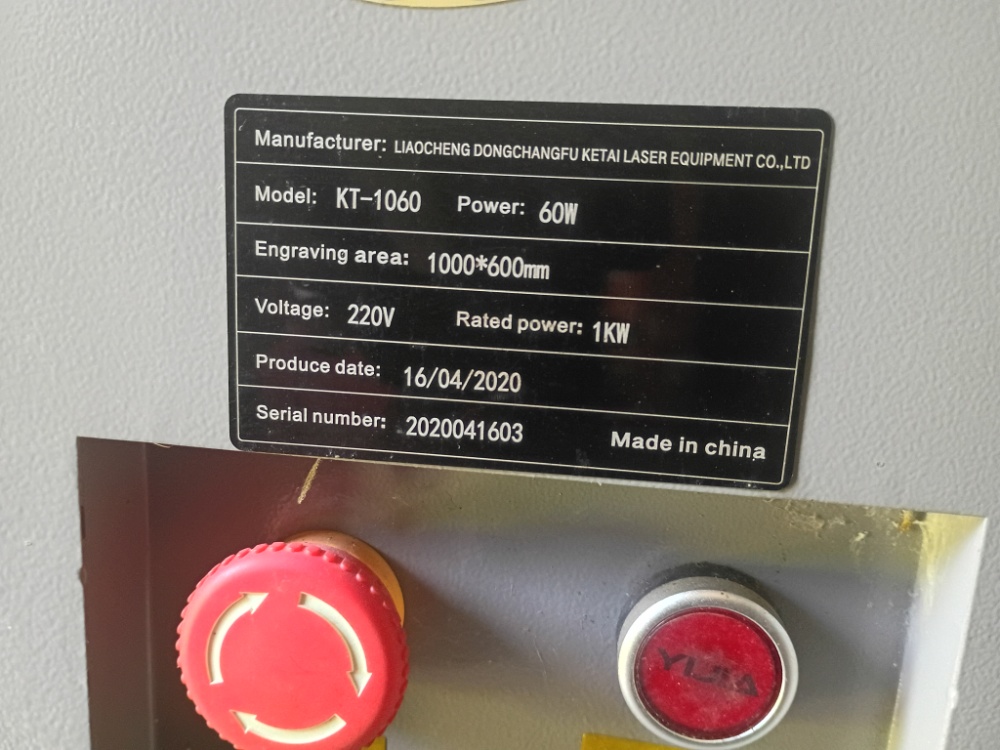
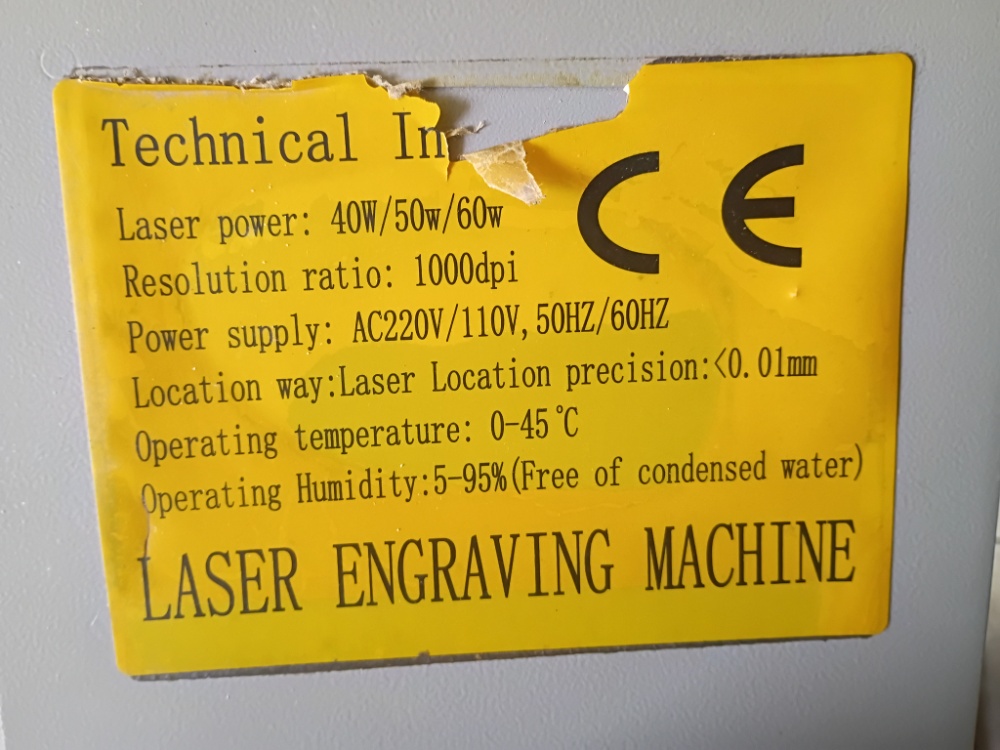
I replaced my Ruida with a DLC32 board. Got it running OK, but functionality of the pulse was not there, that had to be generated with other hardware.. Swapped it back after a few weeks and pretty much forgot about it.
Sounds like you have a project ahead of you. I’ve seen some rat infested cars/boats, I’d hate to have to rewire any of them.
What kind of laser power supply (lps) or other supplies are in the machine?
Might want to post some photos… lots of diy types here. 
32 bit machines do have a true 16 bit hardware pwm generation, of course it’s adjustments can only be in whole steps.
If you have a 256 or 1 byte, your 100W machine (idealistically) would give you a step of 100/256 = 0.390625 watts/step. Conversely a 16 bit machine gives you 100/65536 for a step of 0.001525879 watts/step.
A 1% step changes the pwm enough to change to change the pwm output by 1%. For an 8 bit machine a 1% change is 2.55 steps in the control, but you can’t have fractions, so each step is 2 or 3, somebody has to truncate it or round it up before it can be used.
Same 1% change with 16 bits results in a change of 655.36 steps to make that 1% step in pwm.
Also these are the number of based on using the co2 across it’s complete range, which usually starts around 10% power. That takes 10% off one end. You can’t really use 0, so that’s off the table. Unlikely you’ll use fraction in the power percentage. All percentage end up as integers, as far as the machines I’ve worked with.
Also, co2 glass tube machines are not linear, they are in a class called negative resistance devices.
I really doubt you’ll notice a difference, control is there to a certain extent, but the difference of even a few watts would be difficult if not impossible to detect.
Don’t be crushed when it’s not really as adjustable as people hope. Most materials don’t have a range for this to be a real benefit… IMHO.