I am near Austin, TX. My tube broke during a prolonged planned outage during snowmageddon.
Sorry to hear that Brian.
That’s what I’m trying to prevent with this thread.
I lost power, and it was freezing in the house in Houston for 3 days.
My laser in garage lived thru it, just sheet rock walls, no clg insulation.
The water in the TUBE didn’t even cross my mind, so I was lucky.
I’m with CadJoe, sorry to hear that. I hope it didn’t get into any of the electronics 
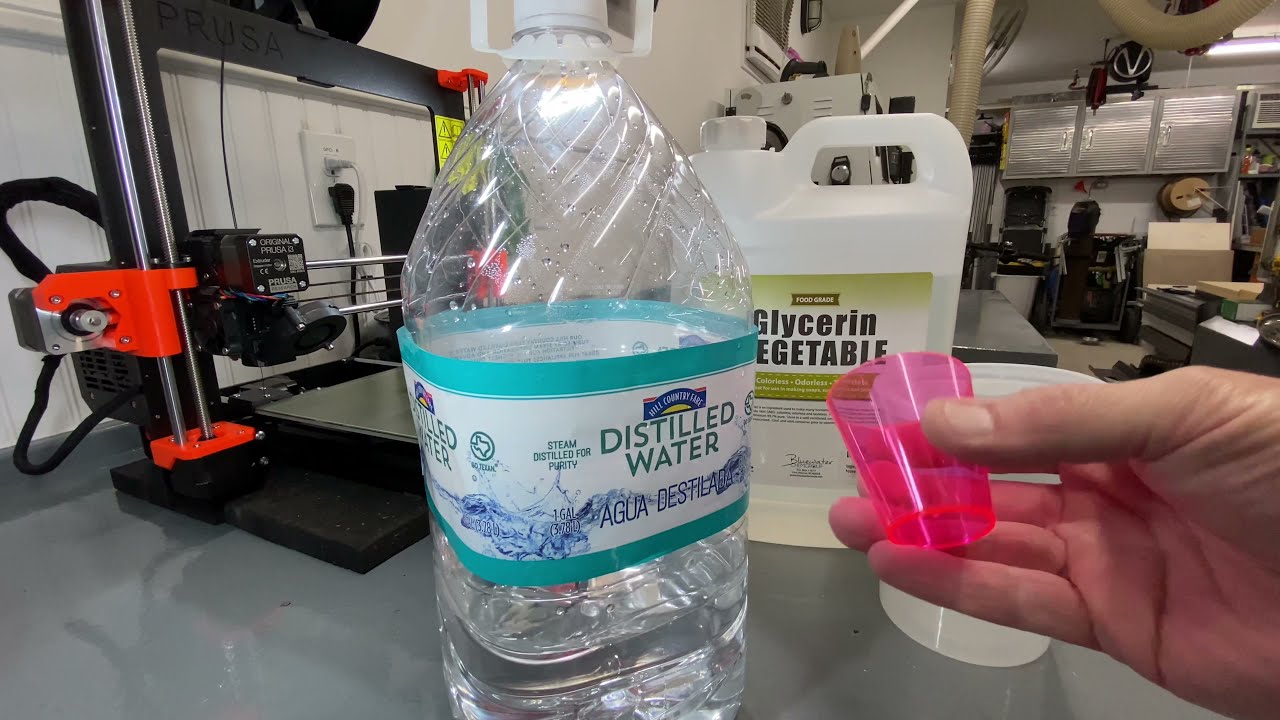
If you’re goal is freeze protection to prevent tube damage in the unfortunate circumstance of a power outage, my “experiment” shows that a 25% dilution of glycerin in distilled water (which ironically is the Magic Ratio for THE BEST fog machine fog juice) provides protection from freezing at least down to 8℉ / -13℃.
The 25% dilution maintains a closer solution viscosity to that of water when at normal temperatures fit to sustain human life  .
.
The 50% dilution… I think is too much if you want to keep the viscosity lower / nearer to distilled water. However, that 50% dilution did offer some impressive results on freeze protection:
2 Likes
Perfect. I guessed about 16 dF, which is colder than I would deal with.
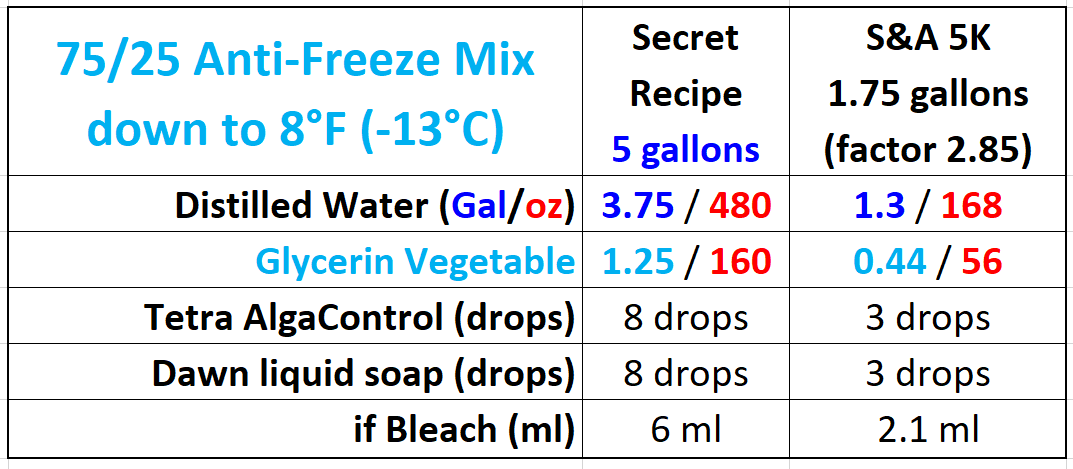
Think thats our new secret recipe, 75/25
With that viscosity, should work well in pump or my new S&A chilller.
Very interesting and thanks for your efforts.
This will certainly be doing the rounds on the forums once word gets out
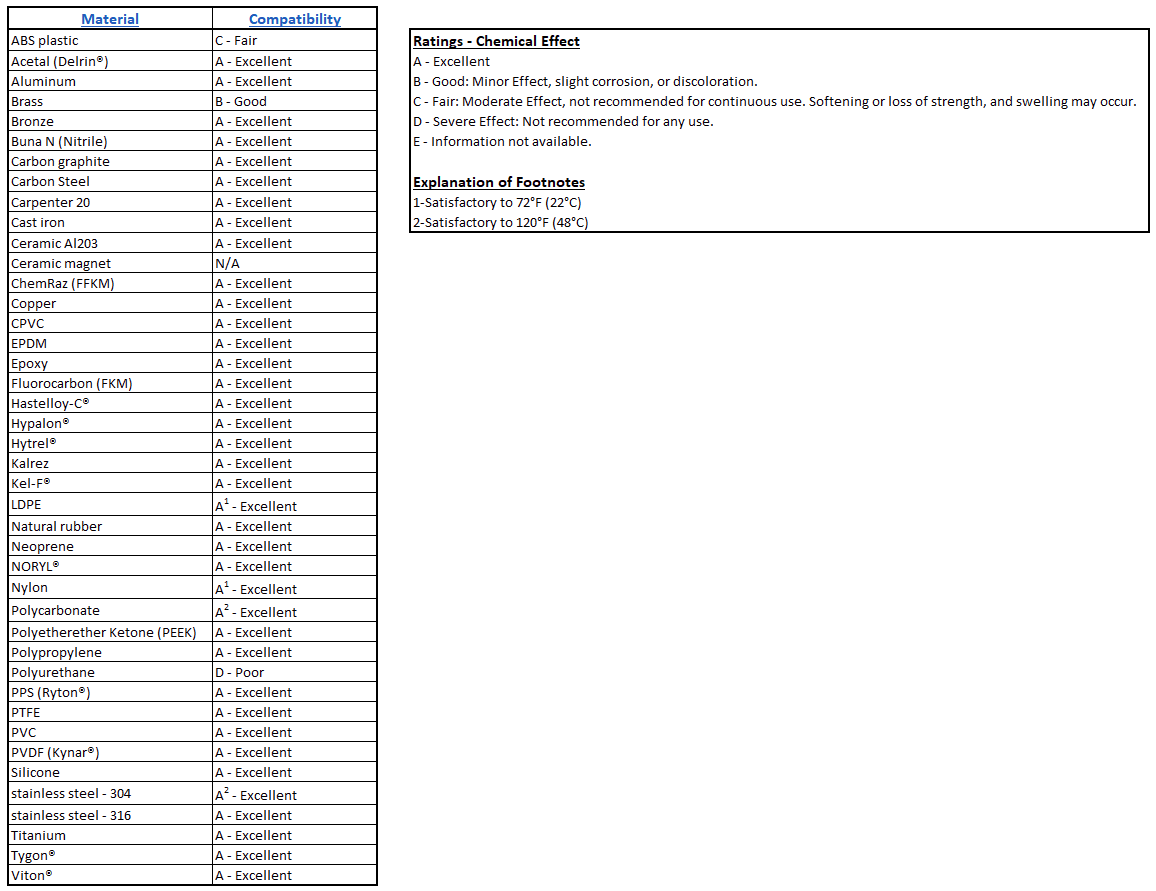
Additionally, I ran a material compatibility report from Cole-Parmer for Glycerin:
2 Likes
That’s great, Jeff, but you can’t get a good buzz on Glycerin…
Even a so-so ethanol has to fit into this somewhere. Maybe, while sitting out the lost power, with a few chunks of wood thrown in the fireplace, a good scotch has to help. Somehow… or, so it seems.
2 Likes
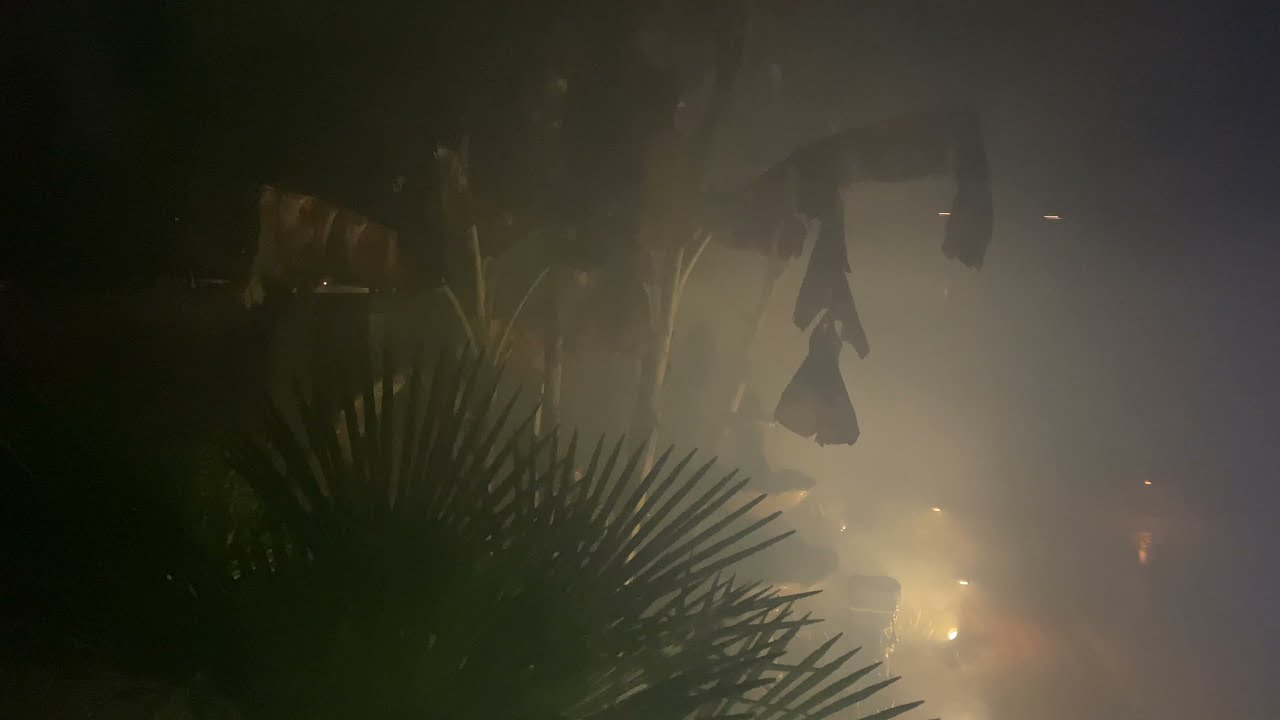
And hey… if it ends up not working out, then at least you made some really good fog juice:
So I read this whole post and got no definitive answer. So how much RV antifreeze should I mix with water? 50/50? I live where it gets -10 on the regular at night, and sometimes the power is down for 6 hours. I’m installing heat in the garage before it’s cold but need to know a ratio. When I bought the laser from Thunder the sales rep said it’s no problem to run RV antifreeze and many people do it. So I’ve been searching to find out a ratio
Are you sure you read this post? It didn’t seem to land anywhere on RV Antifreeze… Did it? Maybe I missed it?
1 Like
I think the thread here is a fine and partly fun piece of collaboration to find the right solution and the secret recipe itself is also a reasonable solution. My personal experience is that a mixture of normal water with dishwasher detergent and a few drops of algae killer - NOT suitable for the task!
My 40 Watt CO2 laser tube delivered far from the output power as it should and the phenomenon of the “nervous” plasma beams, especially at the output of the tube could be seen very clearly. After reading a lot on the subject, I replaced all the water with demineralized water and everything was ok again. Today I use demineralized water with my CW-5000, also without any problems.
However, I wonder if a bottle of vodka or gin is a good emergency solution - if distilled or demineralized water and or glycerin are not available. 
The Butthole Surfers are the best. So RV antifreeze. What is the ratio to water? Am I supposed to run straight RV antifreeze or dilute it.
First off, lets state the fact that NO laser setup is the same, whether its power, pumps, time laser is active, or most important location in the world, and what temps your area deals with. Everyone must use “their” own recipe based on their own research, and what is best for their environment.
RV antifreeze was not recommended as it increases the conductivity and risk, and depending on brand name used, is not consistent. Glycerin was a better additive with very low conductivity to prevent freezing.
However, with that said, one person in this thread uses 10% RV Antifreeze with Distilled water.
from: lasergods.com/laser-water-coolants-additives/
RV antifreeze (propylene glycol) on the other hand has an undiluted conductivity of ~414µS/cm and, when diluted equally with distilled water, measures around 200µS/cm… certain RV Antifreeze has been known to exceed the allowable level of conductivity!
from: Don's Laser Cutter Things: K40 Coolant Conductivity Matters!
Distilled water = 2.6 uS
“Purified” water: 10 uS
Distilled/Glycerine 50/50 = 11.5 uS (thick Viscosity & Freeze protection -22°F/-30°C)
Distilled/Glycerine 75/25 = 13.5 uS (best Viscosity & Freeze protection 8°F/-13°C) 
Vinegar: 137 uS
Distilled/RV mix:6:1 = 142 uS
Don’s tap water = 370 uS
RV antifreeze = 414 uS
Prestone (ethelene glycol) = 633 uS
Because of the high conductivity used in RV Antifreeze, Glycerin was a much better additive to prevent freezing.
Again, do your own research and what is best for your environment.
1 Like
Miller® Low Conductivity Antifreeze/Coolant 043810
1 Gallon Plastic Bottle - Genuine Miller® low conductivity antifreeze/coolant for use in TIG and MIG welding applications. It contains a base of ethylene glycol and de-ionized water to protect against freezing to -37 degrees F (-38 C) or boiling to 227 degrees F (108 C). Miller antifreeze/coolant also contains a compound that resists algae growth. Plastic bottle is recyclable. I have been using this in my system for a few years–no issues at all. $60.00 is pretty cheap insurance to keep from freezing and breaking a $1000 laser tube in my opinion.
I was reading this and wondering when someone was going to bring up tig coolant. That was my first thought. I’ve been living in Arizona for quite a while but I’m moving to Montana very soon and I suddenly have to think about freezing the coolant. I have a lightobject chiller/heater so when it is running it should stay at the set temp either way. But I don’t want to run the thing 24/7.
Unless someone has a good reason to skip the tig coolant that is the direction I will go. I need about 1.75 ga to fill the system and tube.
Do you use it straight out of the bottle with no dilution?
I like it straight up or over rocks.
I believe it’s used undilluted
And the label also says “may be used in any system where aluminum is NOT in the coolant path. Protects from freezing to -37° F (-38° C)”
Dunno where Jeff is buying his, but the Miller website says the MSRP is $44.00/gal.
Four days ago (end of this post):
2 Likes