I would agree with you if it weren’t for the fact that we DID support Linux for years, and the numbers were never more than 1.5% of our user base. The current lack of support does not indicate why Linux has historically never been more than a blip in our numbers.
The number of people actively using Linux is not high enough for us to justify the development effort of maintaining it. It’s that simple. In the history of LightBurn, the total number of paying Linux users wouldn’t cover the cost of one of our devs for a single year. Even if the number doubled it’s still not justifiable.
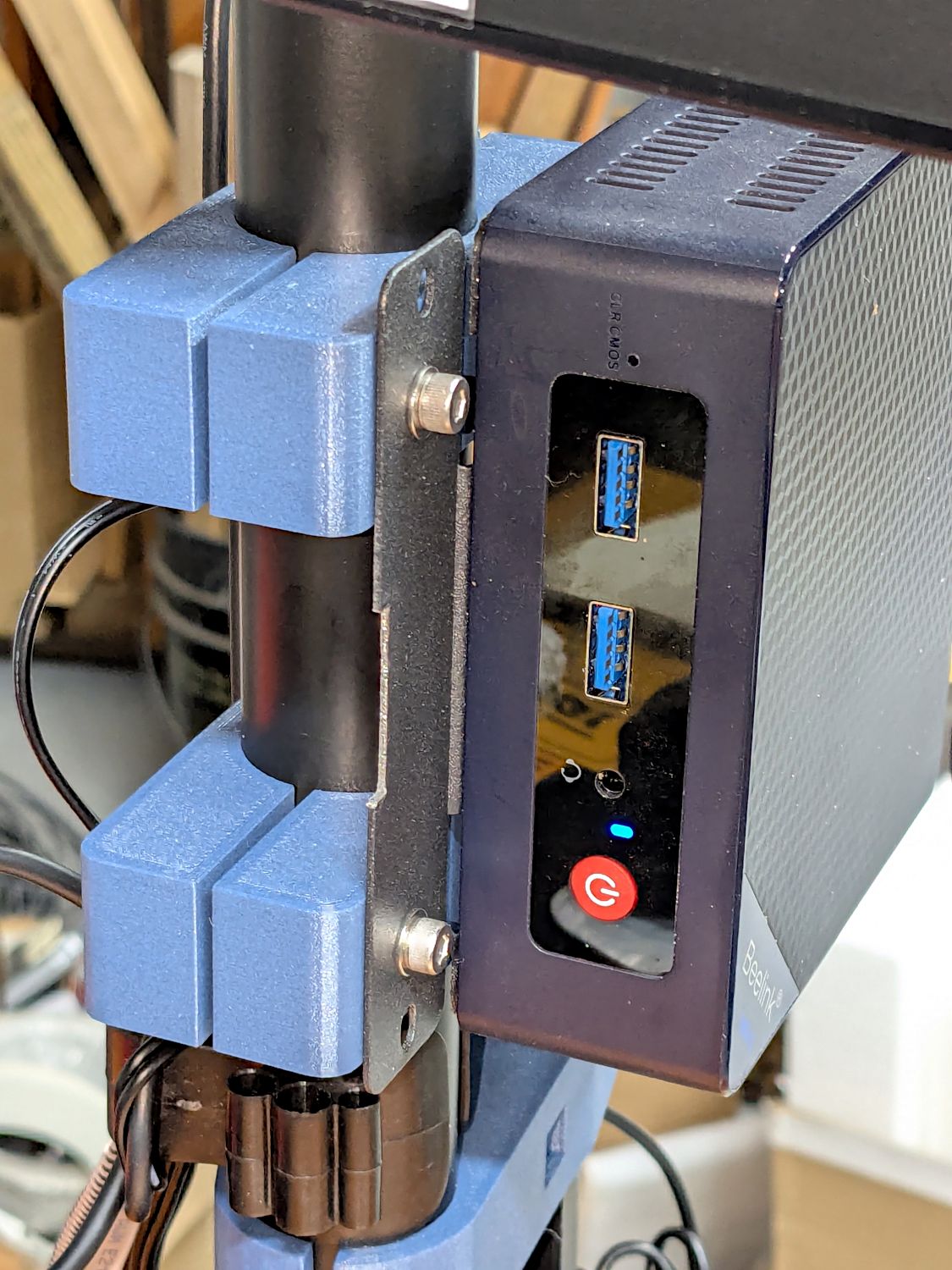
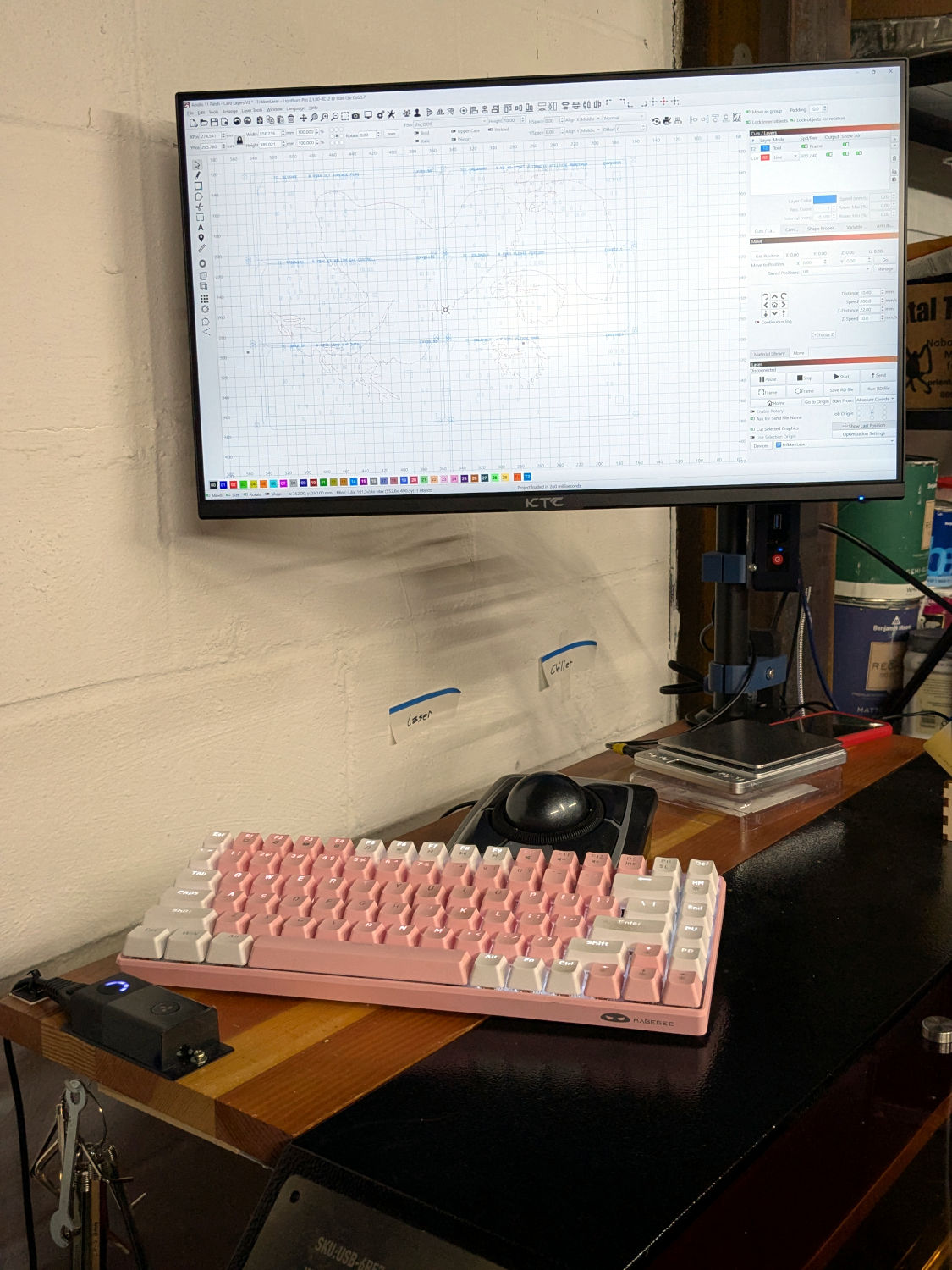
I thought about buying that Mini and using Remote Desktop, but realized I just bought a Win11 SSD laptop for about the same price. So I guess it depends on how much room you have left in your workshop to locate it.
Having been in IT since selling TRS-80’s at age 17 at radioshack in the mall, I have seen a lot of evolution. Microsoft vs Novell Netware, and etc.
Linux beat the hell out of microsoft when it came time to grow the interwebs…
So many changes. Half the world carries a linux derived mobile phone (android) – and arguably Mac OS is too.
I see microsoft thrashing around itself, and doing it’s best to kill itself. I cannot fathom the logic of what they are doing at all – some 4x the number of bugs so far this year than all of last? Cant’ shut down? Cant’ boot up? Geez!
Me? I still run 7, and 10. Got good firewall (hardware) and wisdom not to click crap or visit sites for something ‘free’. And, I’m investigating linux. Hard. It can play a lot more games than before, thanks to Steam (and Wine, and other projects) – and it’s free of microsoft bloatware. I just spent a few hours fixing the wife’s windows 11 (she uses adobe tools, so she’s forced…) and re-removing re-installed bloat crap…
So - If it is ever made – Lightburn 2.x for Linux, I’m in.
The reason Microsoft succeeded is because it was sort of open, but more importantly, they included drivers (aka PlugnPlay) for all the popular add-ons. If you were a newbie and needed a driver, good luck finding it with Linux. Yes, it is raw and clean, but not virus resistant. If you are hacker-inclined, Linux is the perfect playground. They are late coming to the dance with easy to get up and running software. Both platforms had an Us and Them attitude and saw no need to cross over into the other’s territory. Oz said Linux >2% of Lightburn sales. I am curious as to how much of the 98% left over is IOS.
If Linux gave me a platform easy to use like Windows, I would switch in a heartbeat.
I bought one of the first TRS-80 Level II machines sold. S/N was under 300.
I recall Oz mentioned (in one of the interminable Linux threads I cannot find now) Apple devices run around 20%, a factor of ten more than Linux.
The original thread did mention that LightBurn’s licensing cannot work under Wine, because it depends on WMI functions that are not implemented in the 64 bit versions.
There is an official way to make the licensing work inside a VM.
Standing up a dedicated mini-PC / laptop / whatever still seems like less hassle all around, particularly for folks like me who’d rather fiddle with a laser than a software stack …
I recall a time I mentioned running some 3D software on LInux to my brother because it was faster then on Windows but he gave me a story about not wanting to spend the time learning Linux because he billed at $125/hr and it wasn’t worth his time to learn. A week later he tells me how he spent 2 days cleaning up his Windows system and getting it working again after his registry database got corrupted.
We do what we know and there are physiological agents preventing us from wanting to change.
Heard for decades how learning the Windows desktop instead of OS/2 or Linux was the way because that’s the “standard” and nobody would want to learn anything else. Then Apple iPhone and Android came out and I never heard, “it’s so hard, it’s not like Windows”. Microsoft users would do way better on Apple but if they’d had to figure out Windows the switch is hard because that’s what they want to believe. Yes, the hardware is better but also expensive.
I checked out the link to how to get LB in a VM working but it wasn’t what I thought it was. There wasn’t any indication of how they got it working and that user ended up using Linux and got it working. If the solution was LB lifting the VM restriction then that is not going to work for LB on WINE.
Yes, the license system dashboard will let us query activations by OS, and filter by last sync, so as long as they’re network connected (not offline activations) we’ll see them every time they connect to the server.
I appreciate your reasoning from some time ago when Linux represented only a small proportion of users. Discontinuing support at that time was a logically sound decision, enabling you to focus on the core features for the majority.
However, I kindly believe that moving forward, there is a significant potential for users to migrate to Linux. The ONLY reason I continue to use Windows is for Lightburn; there are no other applications I need Windows for. My primary usage is on Linux-based ARM devices, particularly a Raspberry Pi. Version 1.7 runs reliably on a Pi 5 via Wine, and I am eager to use the latest version. While I understand the reasoning behind your previous decision, I would be grateful if you could continue to reassess the situation in the future, even though it might be challenging without a Linux-compatible version.
An alternative approach could involve supporting a Wine version that uses a native key store for Linux, which would involve maintaining a relatively small Linux-specific codebase. I recognise that this is an easier suggestion for me to make as someone who is not a developer.
As Microsoft appears to become increasingly restrictive towards more technical users by limiting their platform further, and recognising that Linux offers many advantages, I do believe that Makers like us will tend to move towards the more open Linux architecture.
Please understand that I do not intend any criticism of your development team. I have been a loyal customer for over eight years and have no intention of abandoning Lightburn any time soon — unless an open source alternative emerges that is equally capable and runs on Linux!